
What is precast concrete?

About our industry

What is concrete?

Concrete is the second most consumed substance on Earth after water. It is the most widely-used construction material in the world.

The concrete industry is made up of several industries. The aggregates, cement and admixtures industries all supply materials to ready-mix and precast concrete. The term “concrete industry” should be taken to mean this ensemble of industries involved in the manufacturing of concrete and concrete products.
What is a
precast concrete
product?

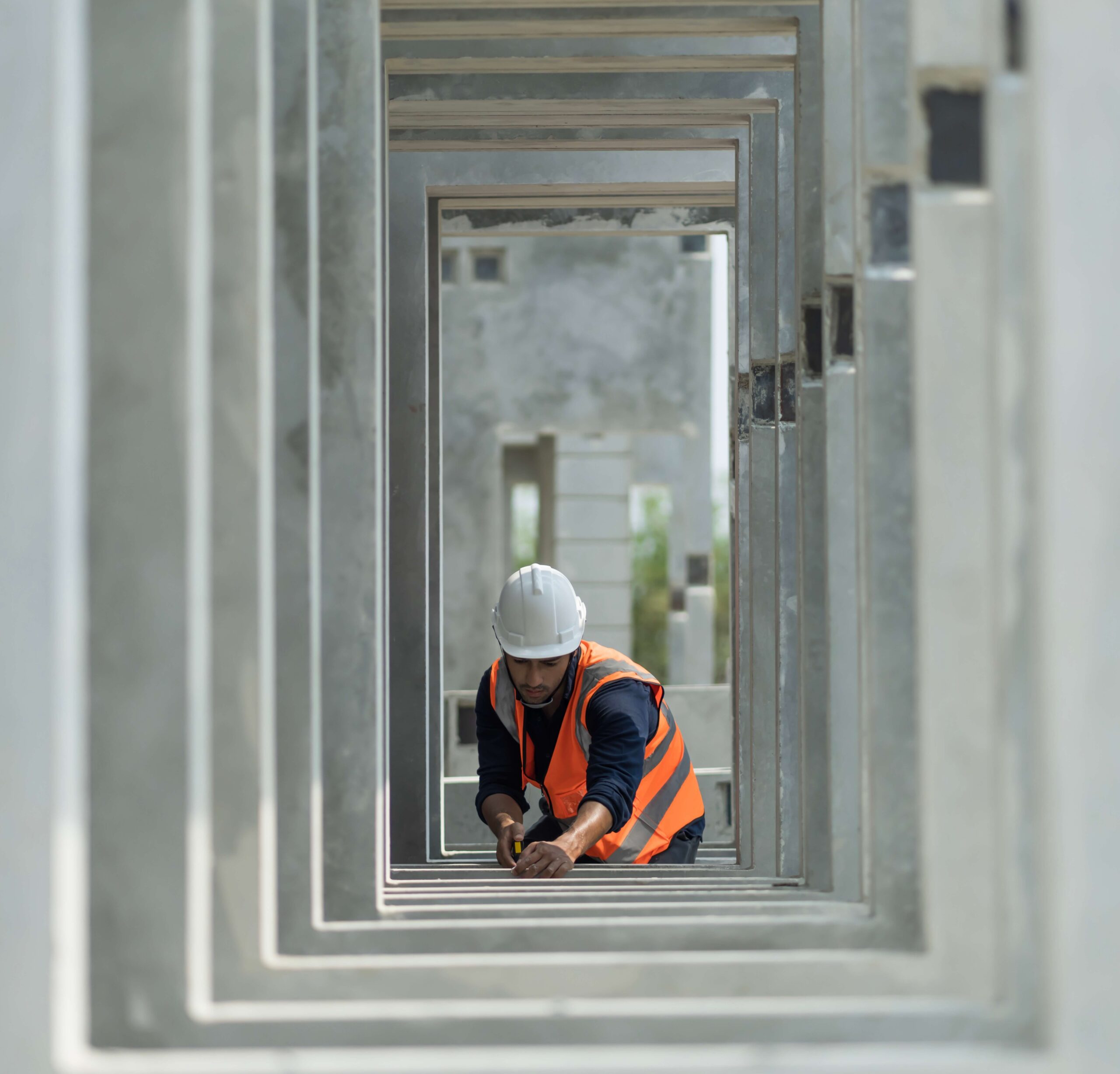
A precast concrete product is a factory-made element manufactured with concrete and which, later, together with other pieces, will become part of a larger structure. Precast concrete elements are prepared, cast and hardened at specially equipped plants with a permanent location.

Precast concrete offers a wide range of colours, finishes and unlimited design possibilities difficult to match with any other material, while creating structures that can provide excellent energy performance from a life cycle perspective.
Advantages:

  • Affordability
    Precast concrete combines the quality of controlled industrial production with the inherent cost-effectiveness of concrete as a material. This production method ensures excellent structural integrity, uniformity, and durability, resulting in significantly lower life cycle costs. Studies show that the initial investment in high-quality precast elements translates into significant long-term savings, minimizing the need for repairs, maintenance, and related downtime. Therefore, choosing precast does not require a trade-off between quality and budget; on the contrary, optimizing the use of locally available resources provides an ideal solution while reducing environmental impact.
  • Sustainability
    The environmental footprint of buildings is significantly reduced by precast concrete through multiple, integrated strategies. Factory-controlled production minimizes material waste and allows for precise material optimization, including the incorporation of supplementary cementitious materials, which lowers the concrete's carbon footprint. Furthermore, the inherent durability of precast elements reduces the need for resource-intensive repairs. These combined advantages contribute to a lower life-cycle environmental impact, supporting greener construction practices and a more circular economy in the building sector.
  • Rapidity
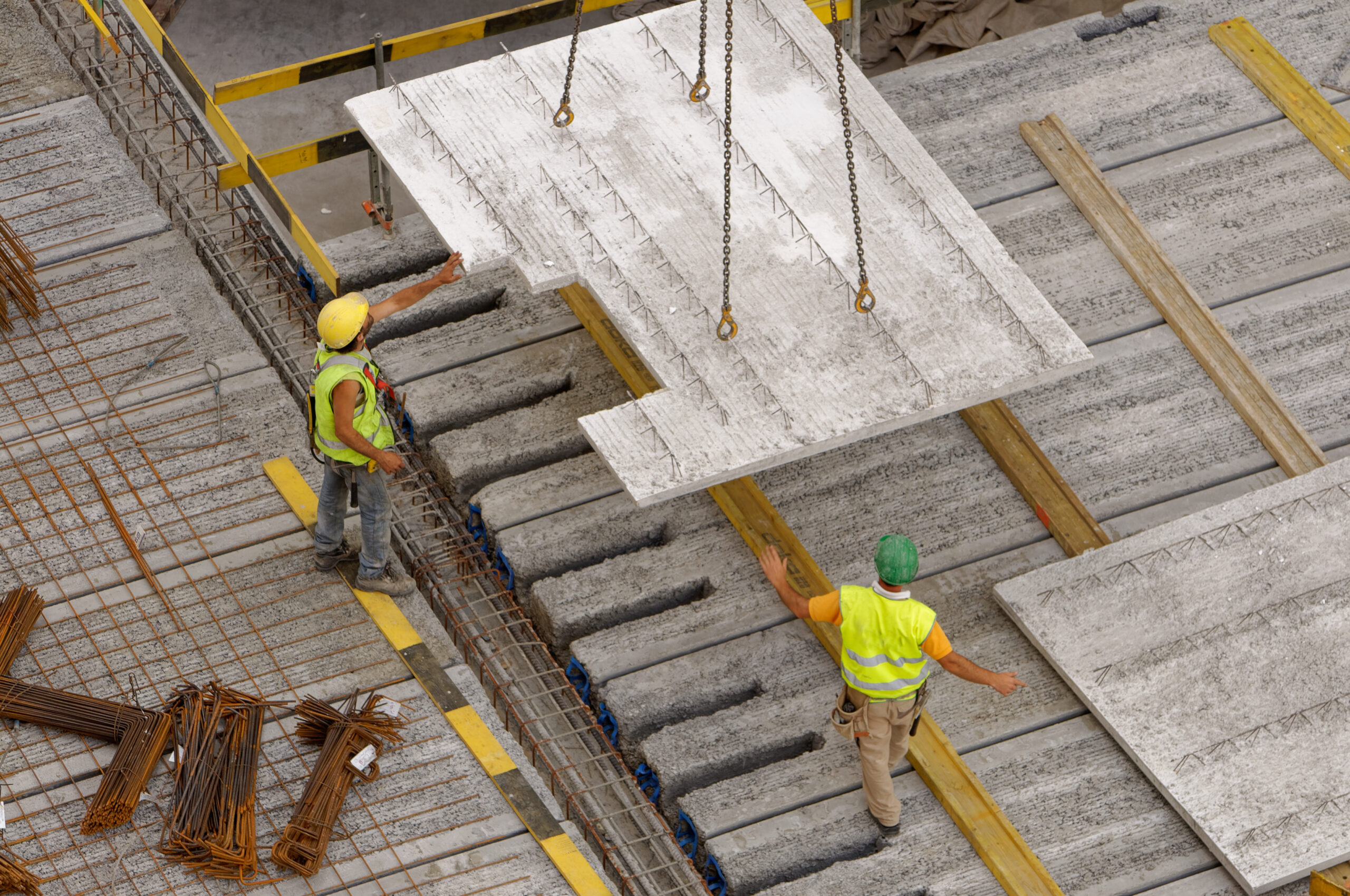
    Parallel off-site manufacturing and on-site preparation in precast concrete construction allow for a significant reduction in overall construction time, accelerating project delivery. This approach, for example, allows fabrication of the upper floors to begin even before foundation work is completed. In addition to speed, precast element production offers significant safety advantages, reducing worker exposure to on-site hazards and adverse weather conditions. The rapid deployment of safe work platforms further improves construction site safety, a key aspect of modern modular construction practices.
  • Safety
    Concrete's inherent incombustibility ensures excellent fire resistance, while its composition allows it to maintain structural stability for extended periods during a fire. In addition to fire safety, concrete offers robust multi-hazard protection, including high resistance to impact and explosion. In the event of natural disasters, concrete structures are designed for seismic resilience, with prefabricated shear walls demonstrating excellent energy dissipation during earthquakes. Concrete also shows promise in tornado-proof design, and its resistance to hydraulic forces makes it a resilient material in flood-prone environments.
  • Quality control
    Factory production of precast concrete elements allows for rigorous quality control, ensuring high reliability and precision through advanced production environments. This controlled environment enables the implementation of sophisticated technologies that optimize designs and monitor quality in real time, allowing for the creation of highly engineered solutions such as thinner, stronger sections, and complex architectural elements with minimal tolerances. Crucially, this quality can be fully verified using automated inspection methods before any unit leaves the factory, preventing defective components from reaching the construction site. As a result, factory prefabrication provides a superior product that meets rigorous standards for dimensional accuracy, structural performance, and overall build quality.

Precast industry -
Key facts and figures:

164,000 employees
~8,000 production plants
21 employees per plant on average
34b € production in 2023